
Reading & Reflection
Books That Shaped My Thinking
Between voyages across the Mediterranean, Aegean, and Ionias seas, where the horizon stretches unbroken and the mind finds its clearest perspective — I have always kept a book close at hand. The sea teaches patience and systems thinking; the books I return to most often do the same. This is my curated reading list: the titles I recommend to colleagues, the ones I revisit, and the ideas that continue to influence how I lead and think about cybersecurity.
Essential Reads
Zero Trust Networks 1777755030591
Evan Gilman
"Essential reading for network security architects."
Zero Trust Networks 1777755150241
Evan Gilman
"Essential reading for network security architects."
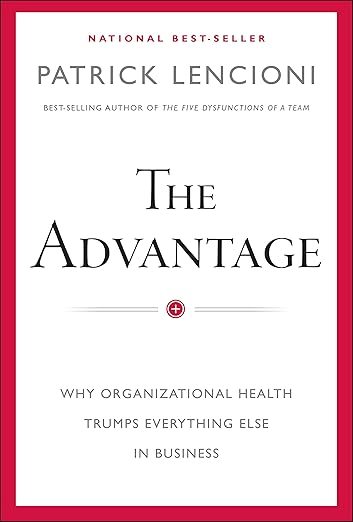
The Advantage
Patrick Lencioni
"A practical and clear book on building a healthy leadership team and organization. Lencioni makes the case that organizational health is often more important than strategy, finance, or technology."
Zero Trust Networks 1777755027399
Evan Gilman
"Essential reading for network security architects."
Zero Trust Networks 1777755763808
Evan Gilman
"Essential reading for network security architects."
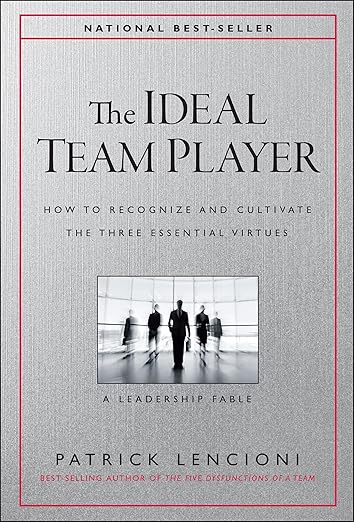
The Ideal Team Player
Patrick Lencioni
"A simple and practical book for improving hiring, team culture, and individual performance. Lencioni’s “humble, hungry, and smart” model is easy to remember and useful for evaluating both new hires and existing team members."
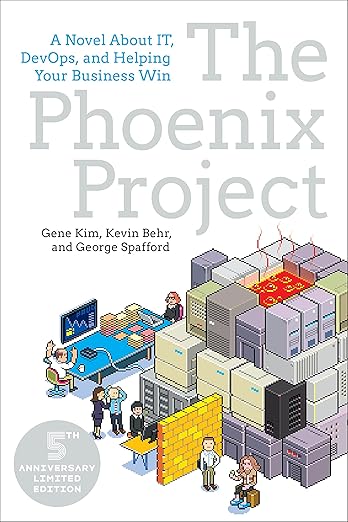
The Phoenix Project
Gene Kim, Kevin Behr, George Spafford
"A clear, engaging business novel that explains DevOps through a practical operational crisis. It is useful for understanding how IT, operations, security, and business priorities need to work together."
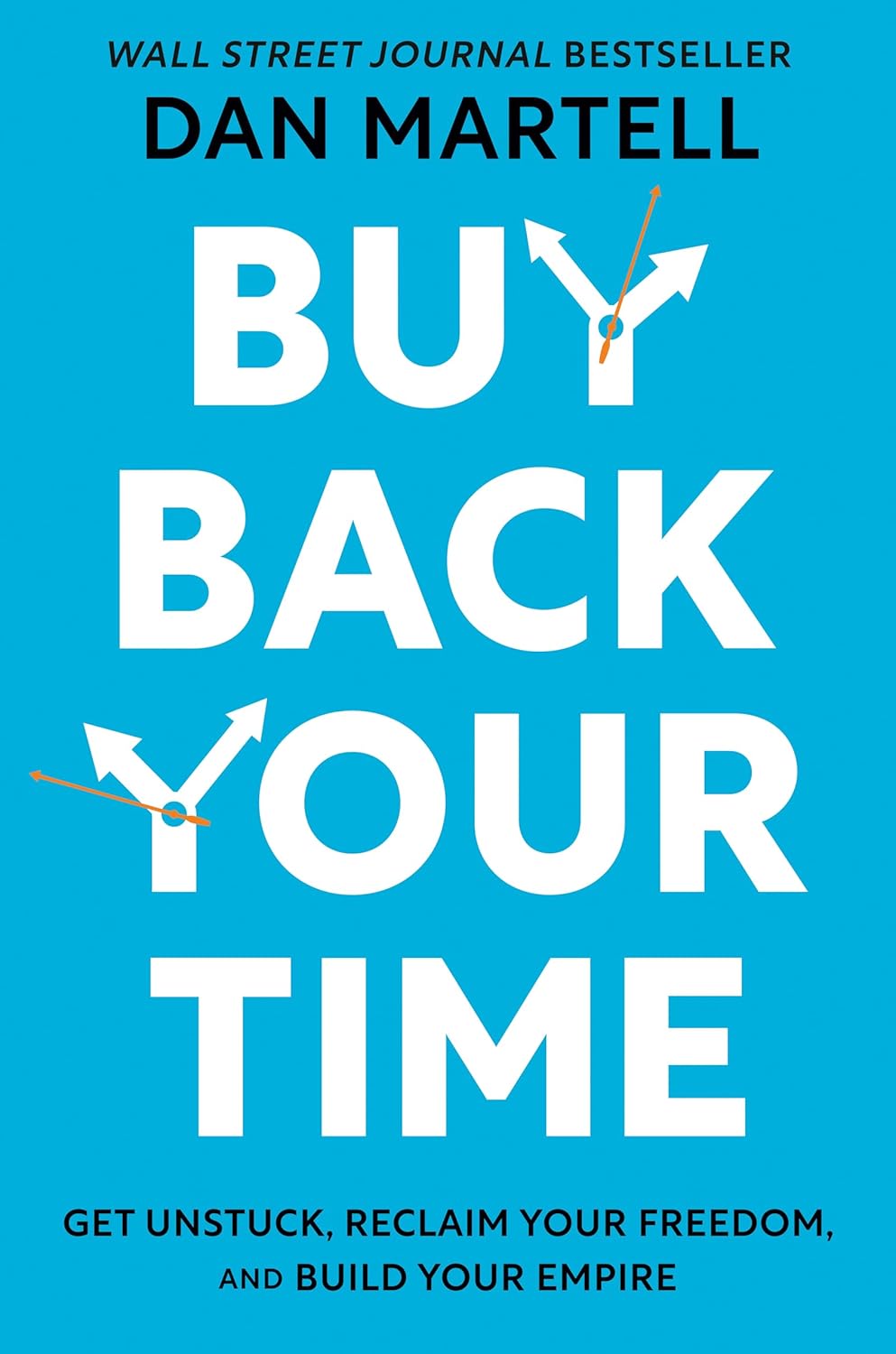
Buy Back Your Time: Get Unstuck, Reclaim Your Freedom, and Build Your Empire
Dan Martell
"A practical book for entrepreneurs who feel trapped in day-to-day execution. Martell’s core idea is useful: business owners should systematically delegate low-value tasks and reinvest their time into higher-value work."
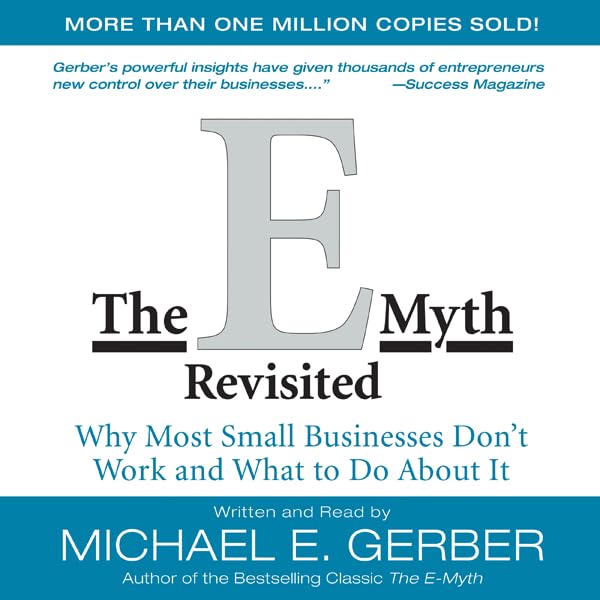
The E-Myth Revisited: Why Most Small Businesses Don't Work and What to Do About It
Michael E. Gerber
"A practical classic for business owners who are too involved in daily execution. Gerber’s core message is strong: build the business as a system, not as a job that depends entirely on the owner."
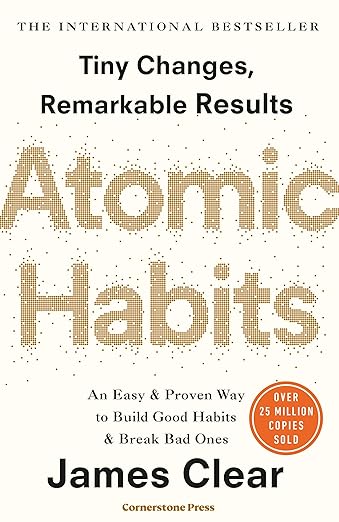
Atomic Habits
James Clear
"A clear and highly practical book on habit formation. Its strength is translating behavior change into simple systems: make good habits easier, make bad habits harder, and focus on identity rather than motivation alone."
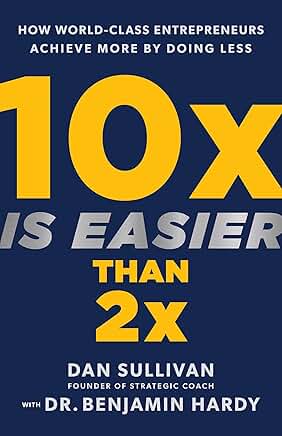
10x Is Easier than 2x
Dan Sullivan, Benjamin Hardy
"A useful book for leaders and entrepreneurs who need to think more selectively about growth. Its central argument is that 10x improvement forces simplification, focus, and delegation, while 2x improvement often keeps people trapped in incremental work."
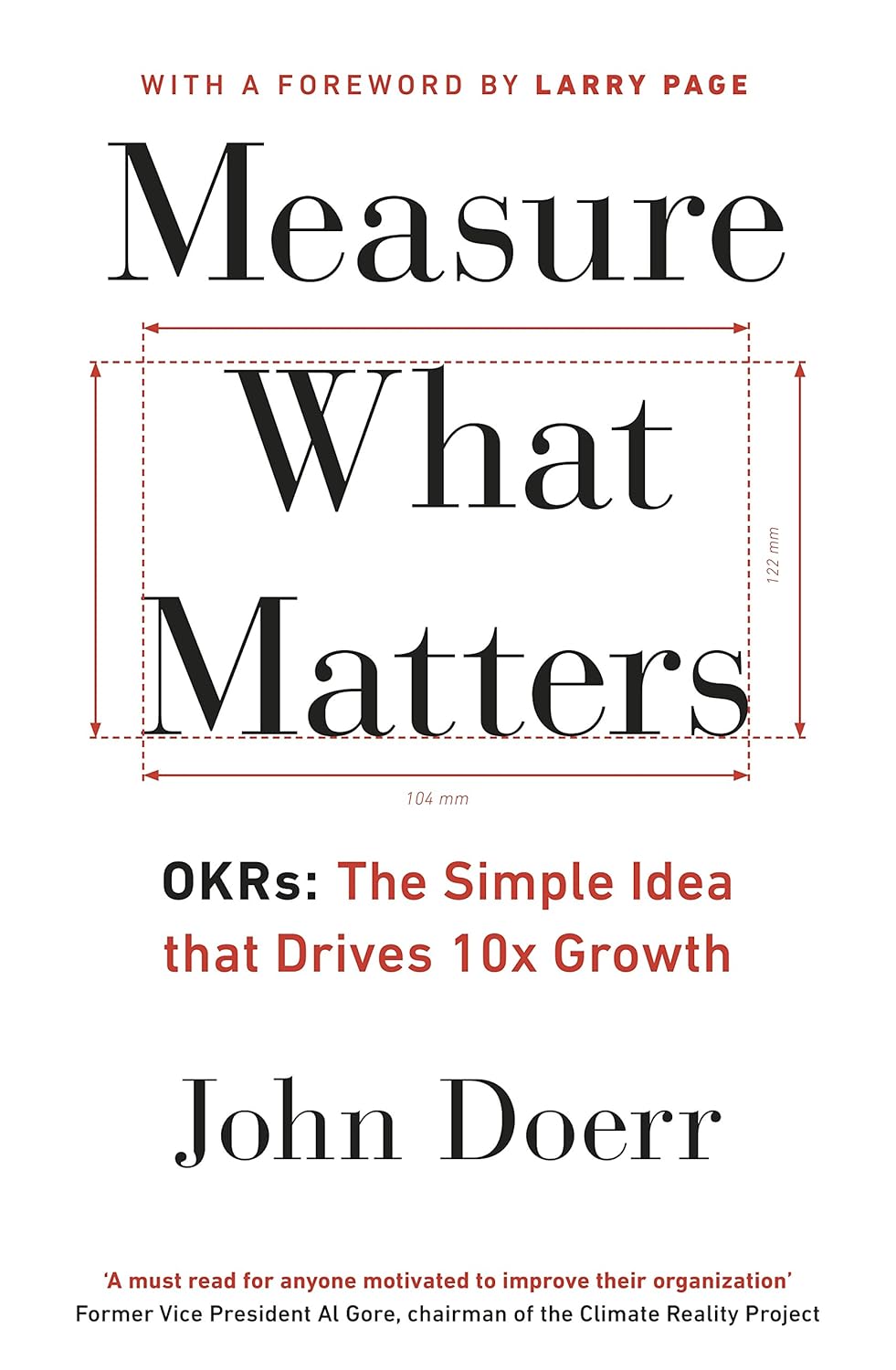
Measure What Matters
John Doerr
"A useful introduction to OKRs and disciplined goal-setting. The book is strongest as a leadership and alignment framework, though some readers may find it heavier on case studies than implementation detail."
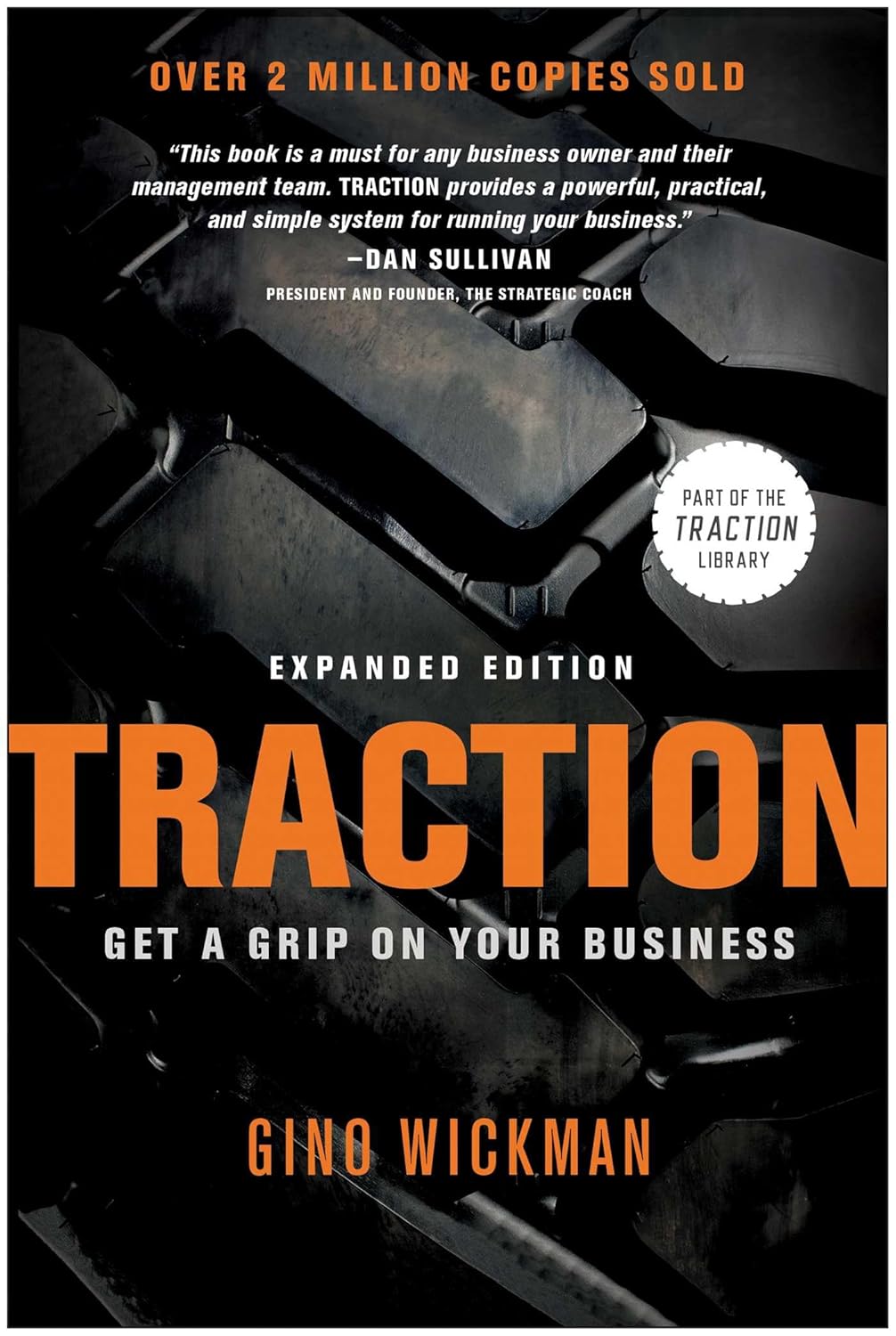
Traction: Get a Grip on Your Business
Gino Wickman
"A highly practical book for business owners and leadership teams who need more structure, accountability, and execution discipline. Wickman’s EOS framework is especially useful for turning vision into measurable priorities and operating rhythms."
Zero Trust Networks 1777755030591
Evan Gilman
"Essential reading for network security architects."
Zero Trust Networks 1777755150241
Evan Gilman
"Essential reading for network security architects."
The Advantage
Patrick Lencioni
"A practical and clear book on building a healthy leadership team and organization. Lencioni makes the case that organizational health is often more important than strategy, finance, or technology."
Zero Trust Networks 1777755027399
Evan Gilman
"Essential reading for network security architects."
Zero Trust Networks 1777755763808
Evan Gilman
"Essential reading for network security architects."
The Ideal Team Player
Patrick Lencioni
"A simple and practical book for improving hiring, team culture, and individual performance. Lencioni’s “humble, hungry, and smart” model is easy to remember and useful for evaluating both new hires and existing team members."
The Phoenix Project
Gene Kim, Kevin Behr, George Spafford
"A clear, engaging business novel that explains DevOps through a practical operational crisis. It is useful for understanding how IT, operations, security, and business priorities need to work together."
Buy Back Your Time: Get Unstuck, Reclaim Your Freedom, and Build Your Empire
Dan Martell
"A practical book for entrepreneurs who feel trapped in day-to-day execution. Martell’s core idea is useful: business owners should systematically delegate low-value tasks and reinvest their time into higher-value work."
The E-Myth Revisited: Why Most Small Businesses Don't Work and What to Do About It
Michael E. Gerber
"A practical classic for business owners who are too involved in daily execution. Gerber’s core message is strong: build the business as a system, not as a job that depends entirely on the owner."
Atomic Habits
James Clear
"A clear and highly practical book on habit formation. Its strength is translating behavior change into simple systems: make good habits easier, make bad habits harder, and focus on identity rather than motivation alone."
10x Is Easier than 2x
Dan Sullivan, Benjamin Hardy
"A useful book for leaders and entrepreneurs who need to think more selectively about growth. Its central argument is that 10x improvement forces simplification, focus, and delegation, while 2x improvement often keeps people trapped in incremental work."
Measure What Matters
John Doerr
"A useful introduction to OKRs and disciplined goal-setting. The book is strongest as a leadership and alignment framework, though some readers may find it heavier on case studies than implementation detail."
Traction: Get a Grip on Your Business
Gino Wickman
"A highly practical book for business owners and leadership teams who need more structure, accountability, and execution discipline. Wickman’s EOS framework is especially useful for turning vision into measurable priorities and operating rhythms."
Updated Title 1777755030606
Test Author
Updated Title 1777755150255
Test Author
Updated Title 1777755763820
Test Author
Updated Title 1777755027411
Test Author
The Phoenix Project 1777755763797
Gene Kim
The Phoenix Project 1777755150227
Gene Kim
The Phoenix Project 1777755030580
Gene Kim
The Phoenix Project 1777755027390
Gene Kim
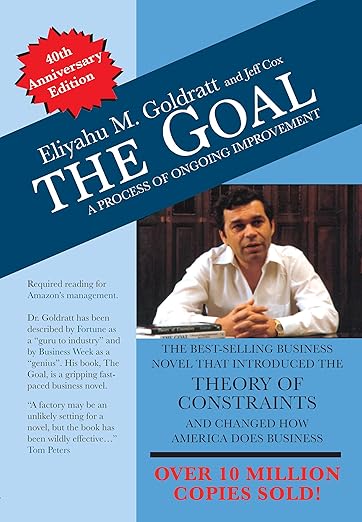
The Goal: 40th Anniversary Edition: A Process of Ongoing Improvement
Eliyahu M. Goldratt, Jeff Cox
"A highly practical business novel that explains operational improvement through the Theory of Constraints. Its strength is showing how better flow, not just local efficiency, drives real business results."
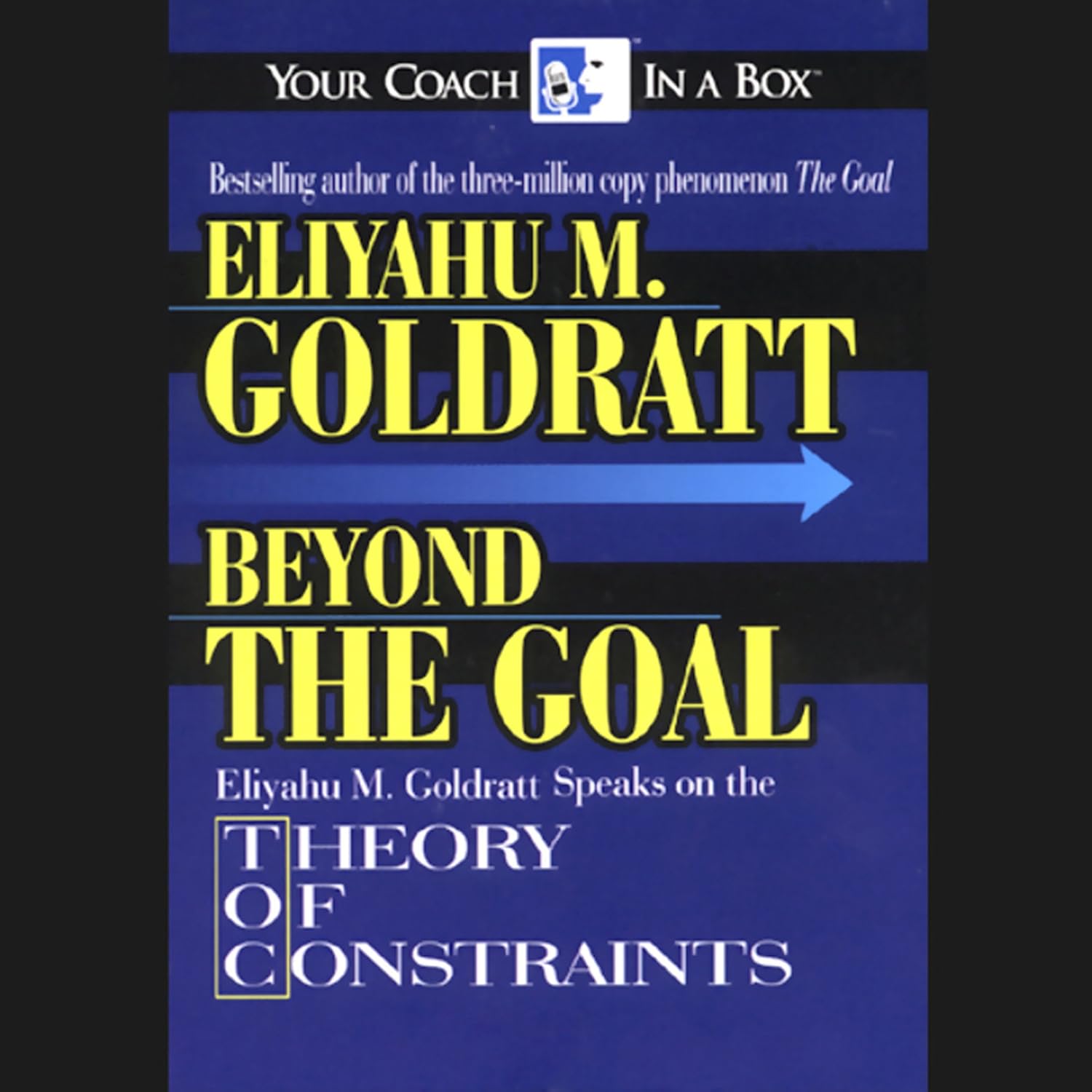
Beyond the Goal
Eliyahu Goldratt
"A useful companion to The Goal for readers who want a deeper explanation of the Theory of Constraints. It is more lecture-style than story-driven, but strong for understanding how TOC applies beyond manufacturing."
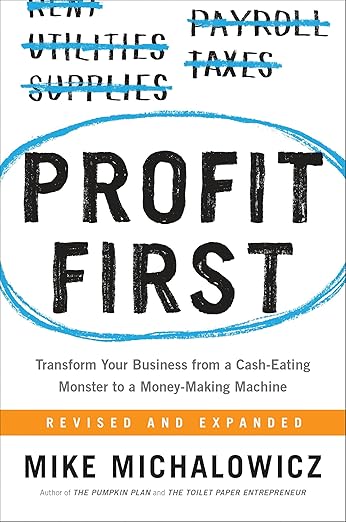
Profit First
Mike Michalowicz
"A practical book that challenges the usual “sales minus expenses equals profit” mindset. Its main value is giving business owners a simple cash-management system that forces profitability into daily operations."
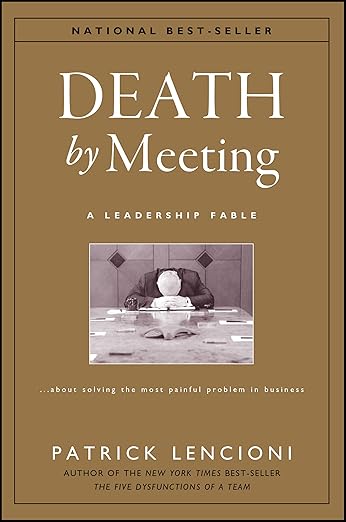
Death by Meeting
Patrick Lencioni
"A practical business fable about turning meetings from a source of frustration into a useful leadership tool. Lencioni’s main contribution is showing that bad meetings are usually caused by weak structure, unclear purpose, and lack of productive conflict."
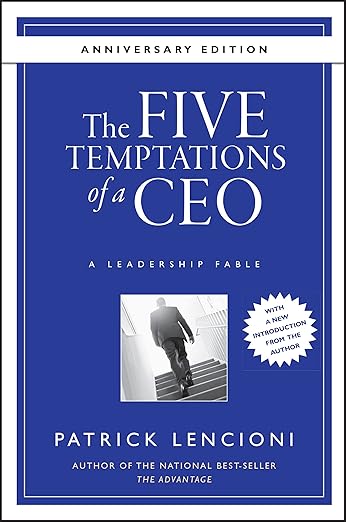
The Five Temptations of A CEO
Patrick Lencioni
"A concise leadership fable that focuses on the personal traps that weaken CEOs and senior leaders. Lencioni’s message is useful because it connects executive behavior directly to accountability, clarity, conflict, and organizational performance."
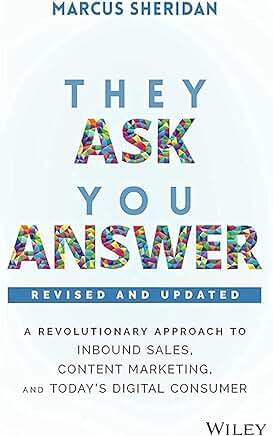
They Ask, You Answer
Marcus Sheridan
"A direct and useful book about winning customer trust through honest, educational content. Sheridan’s core message is simple: answer the questions buyers are already asking."
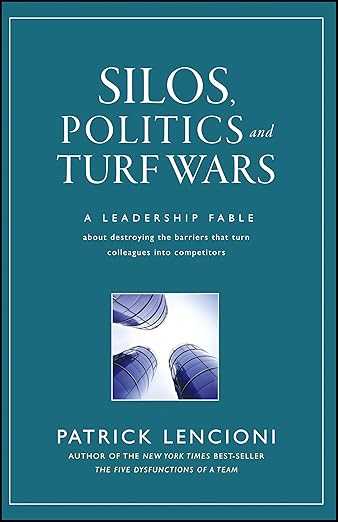
Silos, Politics, and Turf Wars
Patrick Lencioni
"A practical leadership fable about eliminating departmental silos and internal politics. Lencioni’s main value is showing that many “people problems” are actually caused by unclear priorities and weak organizational alignment."
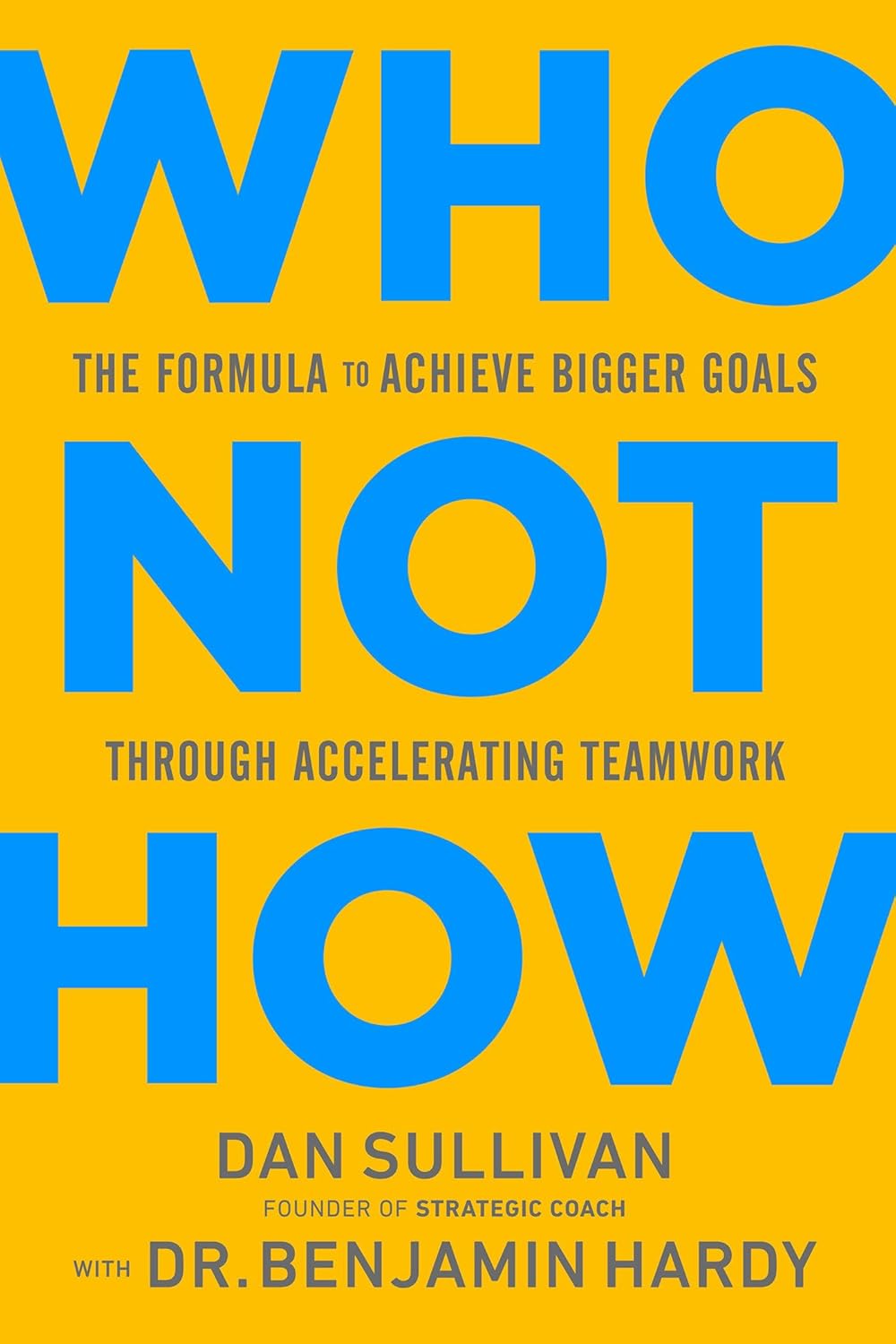
Who Not How
Dan Sullivan, Benjamin Hardy
"A clear and practical book built around one strong idea: stop asking how you will do everything yourself, and start asking who can help achieve the result. It is especially useful for entrepreneurs and managers who need to delegate better, build stronger teams, and scale beyond their own capacity."
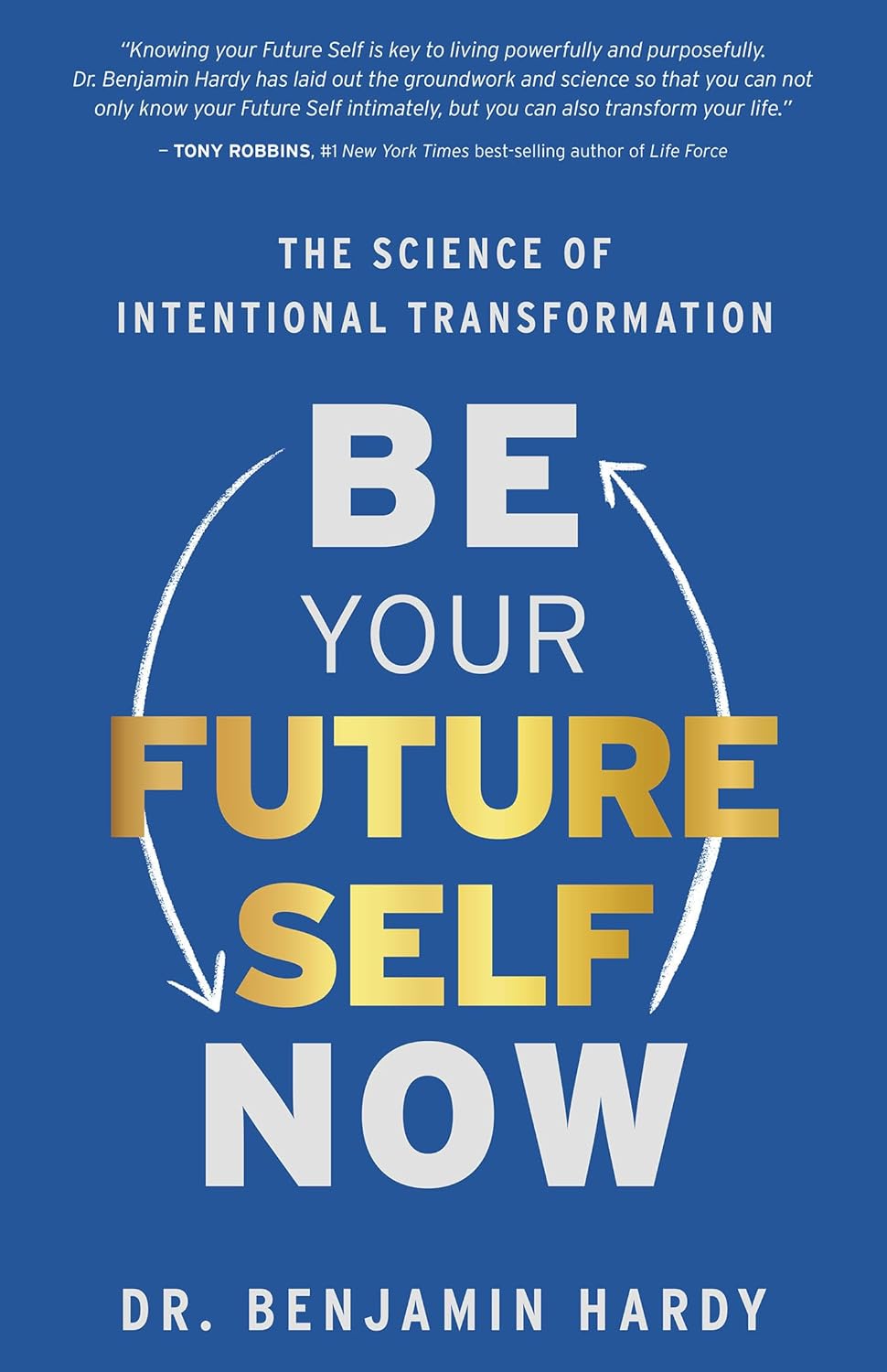
Be Your Future Self Now
Benjamin Hardy
"A practical personal-development book about making decisions from the perspective of the person you want to become. Hardy’s main idea is useful: your future identity should guide your current behavior more than your past experiences."
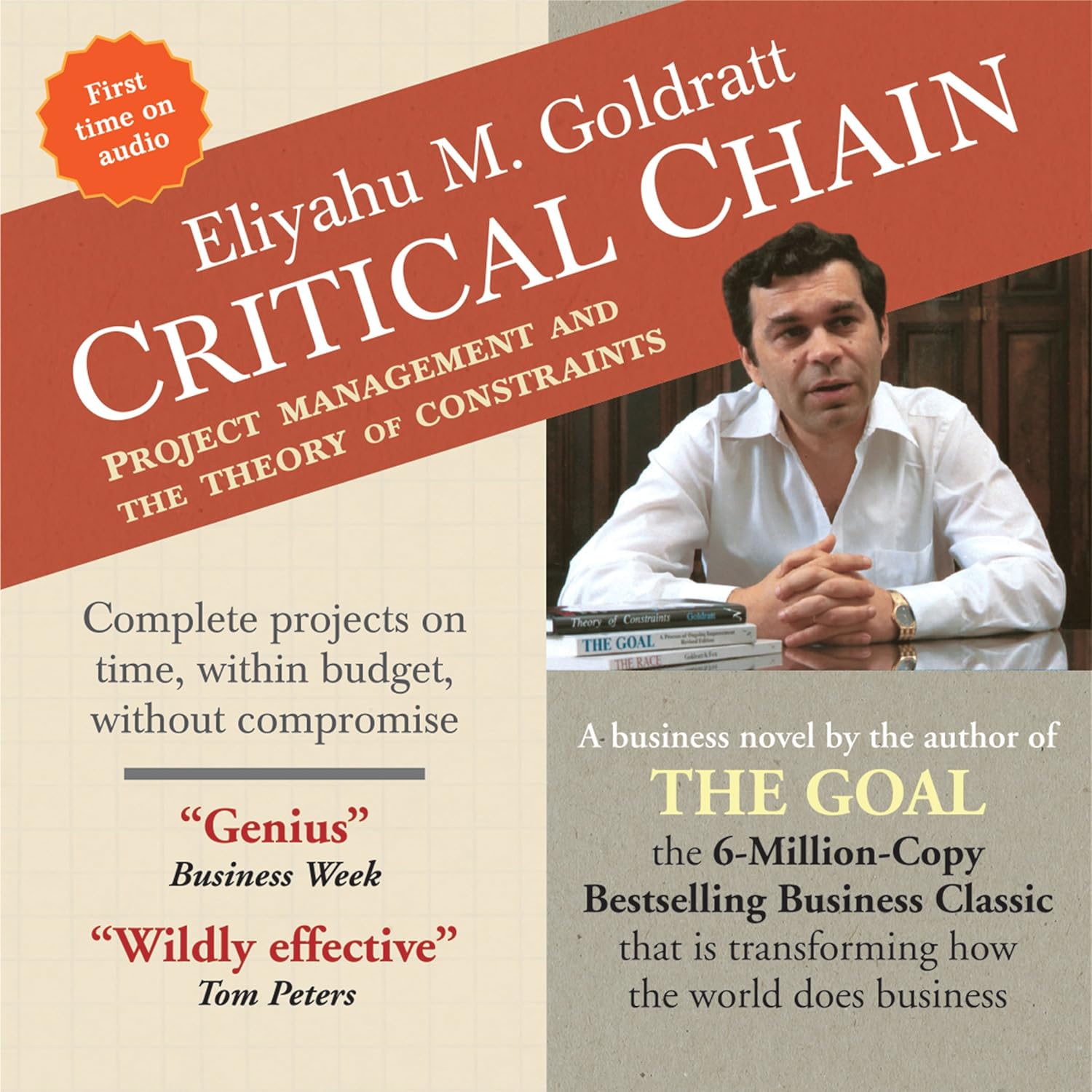
Critical Chain
Eliyahu M. Goldratt
"A focused business novel that applies Goldratt’s Theory of Constraints to project management. It is useful for understanding why traditional project plans often fail and how buffer management, resource focus, and flow can improve delivery reliability."
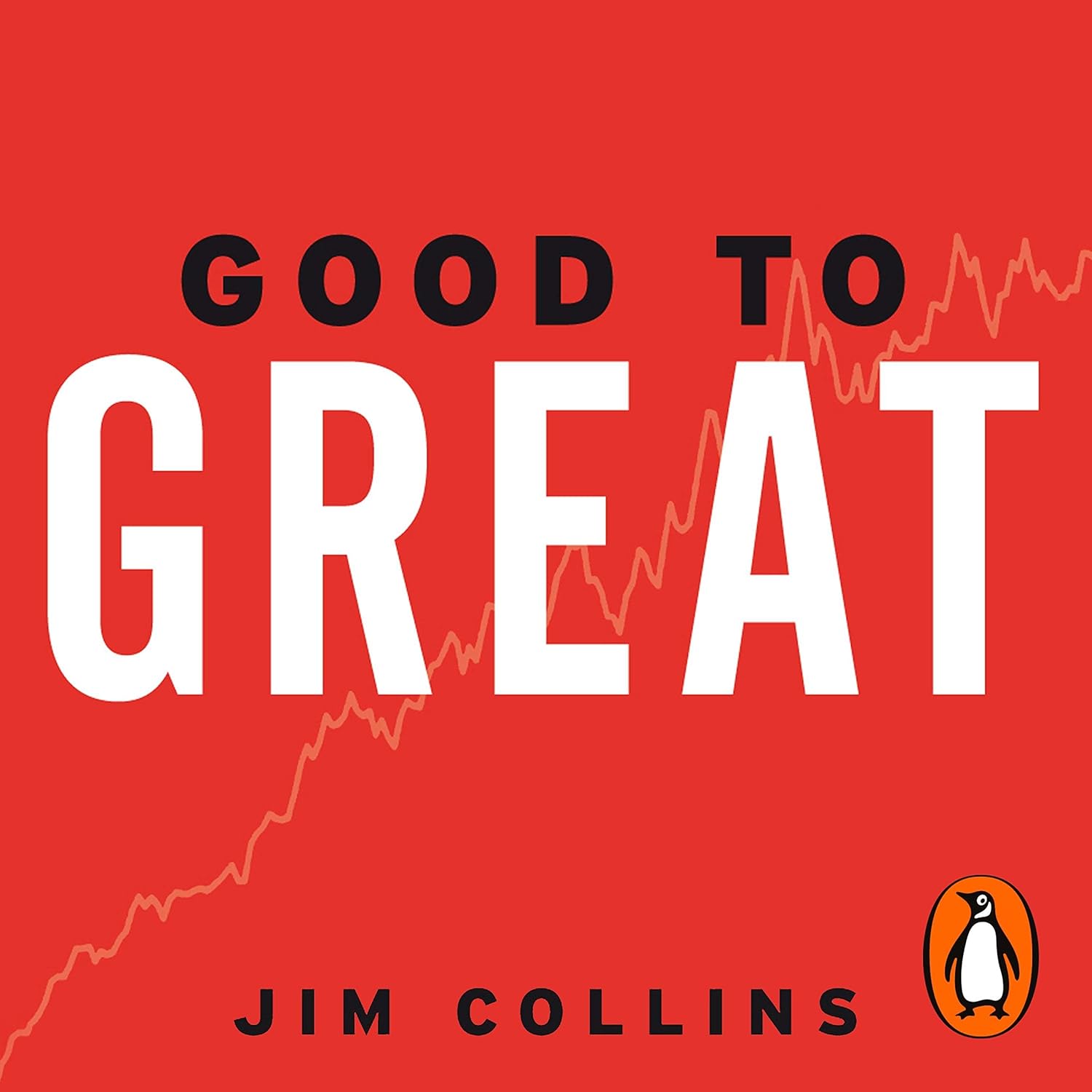
Good to Great
Jim Collins
"A well-known business book focused on why some companies sustain superior performance while others remain average. Its concepts are useful for leadership teams, especially around disciplined people, disciplined thinking, and disciplined action."
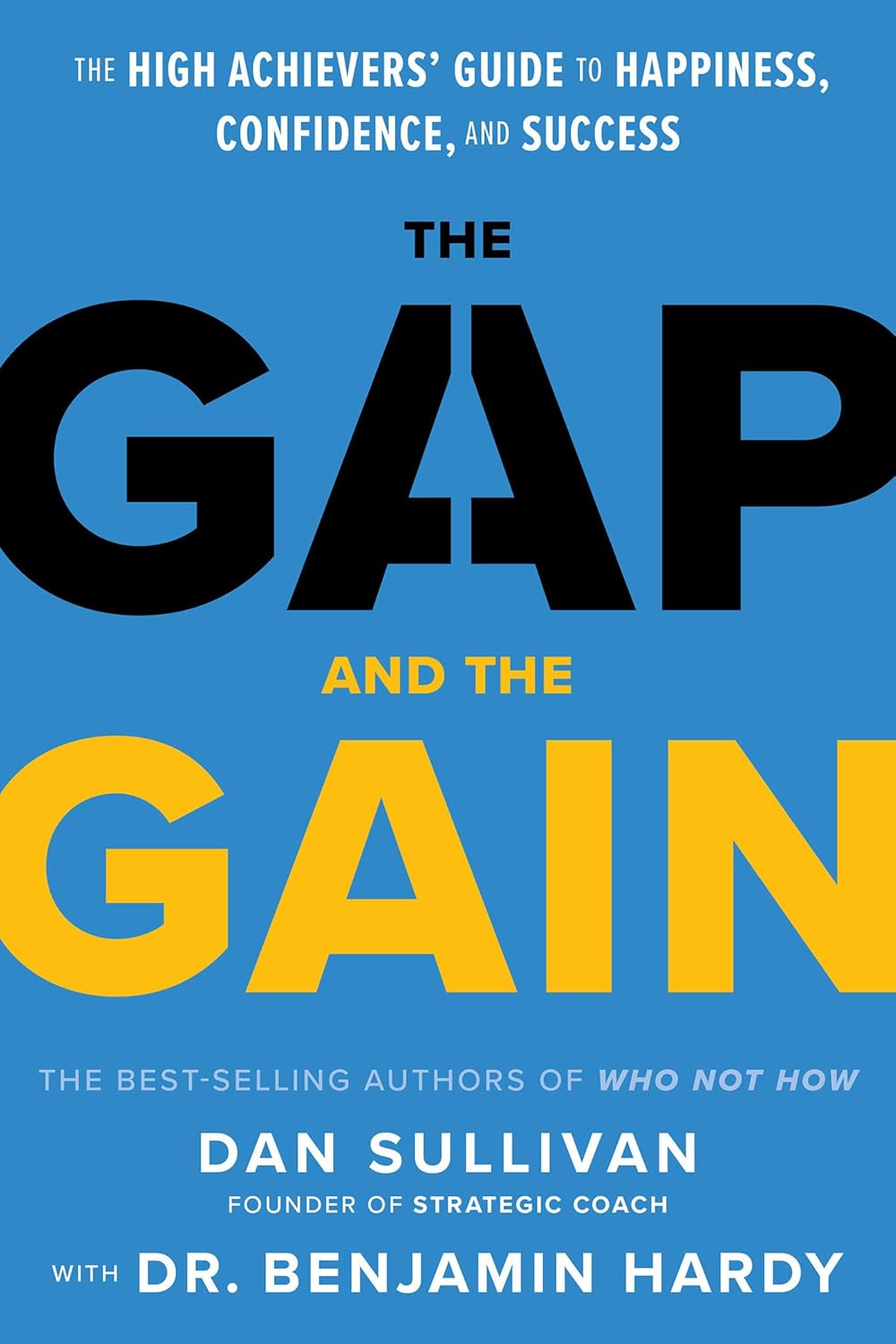
The Gap and the Gain: The High Achievers' Guide to Happiness, Confidence, and Success
Dan Sullivan, Benjamin Hardy
"A clear and practical book about measuring progress in a healthier way. Its main value is helping high achievers stop comparing themselves to an unreachable ideal and instead evaluate progress against where they started."
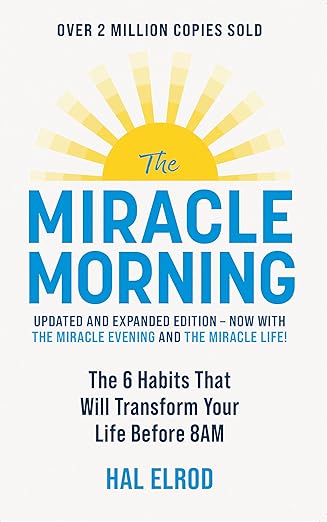
The Miracle Morning: The 6 Habits That Will Transform Your Life Before 8AM
Hal Elrod
"A simple and actionable book about using the first part of the day for personal growth and focus. Its framework is practical, though the core idea can feel repetitive once the SAVERS routine is understood."